
← Back to Method Diagram
“The single most useful document in the whole project” – Senior PM, DHSC.gov
Purpose of the EPaRM
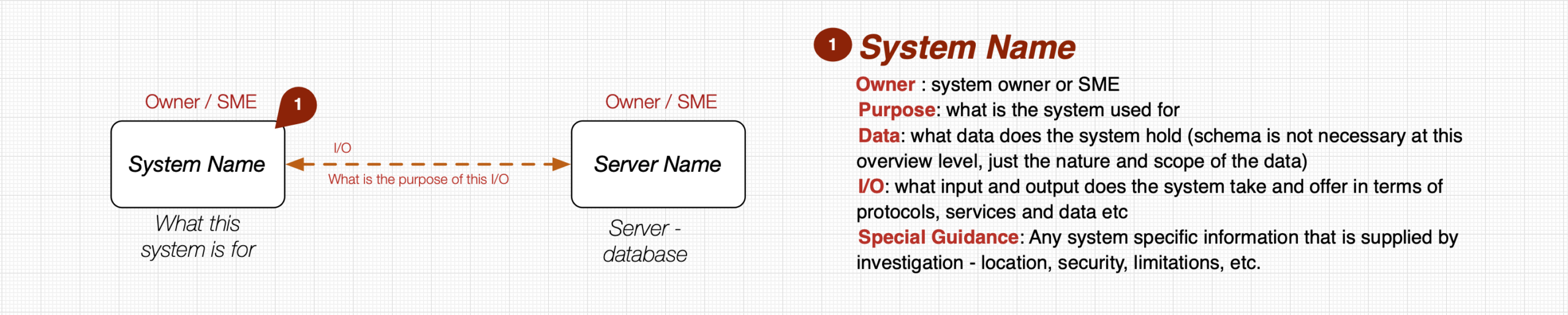
The Ecosystem Process and Relationship Model (EPaRM) is a structured, functional model of the organisation’s current operating ecosystem. It maps the relationships between systems, functions, data, communications, security, locations, and subject matter experts (SMEs) across the scope of a defined business requirement.
Its purpose is to:
- Identify all elements that influence or are influenced by the target requirement or value proposition
- Reveal sources of process complexity, duplication, friction, delay and cost
- Surface systemic constraints and integration limitations early
- Provide a clear functional view of how the organisation actually operates
The EPaRM enables structured analysis of existing complexity and informs opportunities for simplification, optimisation, and architectural uplift.
The data gathered directly supports Service Design and Service Blueprinting by grounding user journeys and services in operational reality.
Value of the EPaRM
The EPaRM provides a consolidated functional view of the organisation, enabling:
1. Systems & Capability Visibility
- Map each system’s purpose and function
- Identify system owners (SMEs), locations, and responsibilities
- Clarify communications and integrations
- Surface security constraints and access controls
2. Data & Information Transparency
- Identify data sources, storage locations, and duplication
- Map data journeys (existing and required)
- Expose inefficiencies, access limitations, and API constraints
- Clarify why data exists and how it supports business function
3. Functional Dependency Mapping
- Surface cross-system dependencies and unrealised scope issues
- Identify time delays, communication bottlenecks, and security friction
- Reveal hidden coupling between functions and systems
4. Process & Use Case Grounding
- Map current process flows
- Anchor initial use cases in operational reality
- Provide critical inputs for Service Design and Blueprinting
5. Delivery Risk Reduction
- Work with Systems Engineers to map technical limitations against functional user needs
- Avoid architectural overreach and rework
- Enable early time and cost estimation grounded in real constraints
- Surface unseen technical/data/function scope issues
6. Strategic Architecture Influence
- Identify systemic optimisation opportunities
- Highlight architectural uplift recommendations
- Inform roadmap discussions with systems architecture teams
An organisation’s hardware, systems and software are typically the slowest and most expensive components to modify. By understanding how effectively they currently support business goals – and where they create friction – the EPaRM enables informed, collaborative planning between design teams and systems architects. This ensures solutions are both deliverable within current constraints and strategically aligned with future capability needs.
Examples
NB. For security clearance and NDA reasons, some elements of the example files may be redacted, changed or removed.
Banking EPaRM
Mapped technology, data, processes and relationships with in a global banking, loans and credit environment, showing how the systems communicate
View ArtefactHealthcare EPaRM
Mapped ecosystem of healthcare SMEs, comms, data and technologies to enhance the delivery and support ecosystem within a broad government environment
View Artefact